What to know about last minute rubbish removal in Bromley
Posted on 10/10/2026
If you are staring at a growing pile of bags, broken furniture, renovation offcuts, or just "stuff" that has to go today, last minute rubbish removal in Bromley can feel like a small emergency. Maybe the landlord is due tomorrow. Maybe the builders have finished early. Or maybe life has simply got messy and the spare room has quietly turned into a storage cave. Whatever the reason, the good news is that quick rubbish clearance is often very doable if you know what to expect and how to prepare.
This guide covers what last minute rubbish removal actually involves, how the process works in practice, what can slow it down, and how to avoid the usual headaches. You will also find practical tips, a comparison table, a checklist, and a realistic look at compliance and best practice in the UK context. Let's make it simpler. No drama, just the useful bits.
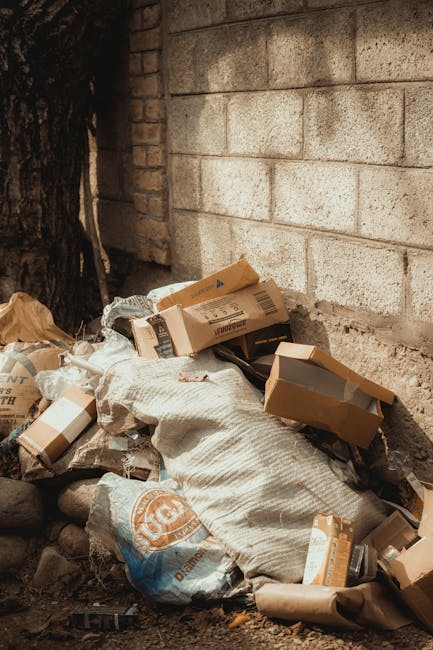
Why last minute rubbish removal in Bromley matters
Speed matters because waste problems have a habit of becoming bigger problems. A blocked hallway, a full garage, or a pile of builder's waste on the drive can affect access, safety, and even how smoothly a move, sale, renovation, or office handover goes. In Bromley, where homes, flats, high streets, and mixed-use properties sit side by side, timing is often as important as the amount of rubbish itself.
There is also the emotional side, which people do not always say out loud. A fast clean-up can take a surprising amount of pressure off. You walk into the room and, suddenly, it looks usable again. That alone can make a hectic day feel manageable. To be fair, that is often what people are really buying: breathing room.
Last minute rubbish removal also matters because not all waste can wait for the next council collection, and not everything should be left in a skip for days. Items may be too bulky, too awkward, too heavy, or too time-sensitive. If you are dealing with a deadline, knowing how same-day or next-day clearance works helps you make a smarter decision instead of panicking at 8 p.m. with bin bags everywhere. Not ideal, obviously.
How last minute rubbish removal in Bromley works
Most urgent rubbish removal jobs follow a fairly simple pattern. You request help, describe the waste, get a price estimate, agree a collection time, and the team removes the items. The details matter, though. The more accurately you describe what needs clearing, the smoother the job tends to go.
In practice, a last minute booking often depends on a few factors:
- Volume: how much rubbish there is, from a few bulky items to a full van load.
- Type of waste: general household rubbish, garden waste, furniture, light builders' debris, or mixed materials.
- Access: whether the waste is in a front garden, rear alley, flat, upper floor, or tight driveway.
- Timing: how urgently the clearance is needed and whether there is a narrow delivery or handover window.
- Special items: mattresses, fridges, paint, plasterboard, or electricals can require different handling.
A quick job does not always mean a rushed job. In a good service, the team still checks what is being removed, loads it safely, and sorts recyclable material where possible. If you are exploring wider clearance options too, the services overview is a useful place to understand how different clearance types fit together.
One thing people sometimes miss: last minute does not have to mean chaotic. A decent provider will still give you a realistic arrival window and a clear explanation of what is included. If a company sounds vague from the first phone call, that is a small warning sign. Tiny detail, big clue.
Key benefits and practical advantages
The obvious benefit is speed, but there is more to it than that. A fast rubbish removal service can solve problems that would otherwise chew up your time and energy for days.
- Reclaim space quickly: useful when rooms need to be photographed, cleaned, painted, rented out, or handed back.
- Reduce stress: fewer piles, fewer decisions, less visual clutter.
- Improve safety: less trip risk from broken items, loose boards, or stacked waste.
- Support deadlines: ideal for moving day, end-of-tenancy clean-ups, office changes, or post-build tidy-ups.
- Avoid a second round of handling: if you cannot transport waste yourself, collection saves loading, driving, tipping, and unloading.
There is also a practical efficiency angle. If you have a mix of items, a single clearance can often be easier than juggling multiple trips to a tip or trying to organise different disposal routes. That said, if the waste is light and you have transport, some people still prefer to sort it themselves. The right option depends on the clock, the volume, and frankly how much patience you have left on the day.
Expert summary: the best last minute rubbish removal is not just the fastest one. It is the one that turns up when promised, handles the right waste type, loads safely, and leaves you with less to worry about by the end of the day.
Who this is for and when it makes sense
Last minute rubbish removal in Bromley makes sense for quite a few situations, and they are not all dramatic. Sometimes it is the obvious emergency. Sometimes it is just a tightly packed schedule and a bit of bad luck.
Common situations
- End-of-tenancy clearances: when the property needs to be empty fast.
- House moves: when old furniture, packaging, and unwanted items need to go before moving day.
- After builders leave: when dust, rubble, timber offcuts, or packaging need shifting quickly.
- Garden projects: when hedge cuttings, soil bags, pots, and broken outdoor items have built up.
- Office clear-outs: desks, chairs, filing, packaging, and general clutter before handover or reconfiguration.
- Unexpected life admin: bereavement clearances, landlord visits, or sudden schedule changes.
It also makes sense if you are clearing a single bulky item and your usual collection day is not near enough. A sofa blocking the hallway is not a "later" problem when the decorators arrive in the morning.
People in Bromley often look for quick help around busy routes, flats, and mixed residential streets where access can be awkward. If your waste is near commercial spaces or the town centre, the Bromley high street and The Glades area guide gives useful local context, while the Bromley North Station neighbourhood guide is helpful if your clearance is close to those streets and access points.
Step-by-step guidance
If you need rubbish removed at short notice, the process is usually much smoother when you tackle it in the right order. A few minutes of preparation can save a lot of back-and-forth later.
- Identify exactly what needs removing. Walk through the space and list the items or pile areas. General "junk" descriptions are not very helpful.
- Separate obvious hazard items. Paint tins, chemicals, sharp metal, broken glass, and anything electrical may need extra care.
- Estimate the volume. Is it a few bin bags, a quarter van load, or a full clearance? If unsure, take photos from a few angles.
- Check access. Mention stairs, narrow gates, parking restrictions, shared entrances, or loading limitations.
- Ask what is included in the price. Confirm labour, loading, disposal, and any possible extras before booking.
- Choose a time window you can actually meet. If the team needs access, make sure someone is around or keys are arranged.
- Clear a route to the waste. Move anything fragile out of the way. It sounds obvious, but in the real world people forget this all the time.
- Keep paperwork or photos if needed. This can help with landlords, property managers, or job records.
A small but useful tip: if you have items that might be reusable, separate them before the clearance. It makes decision-making easier and can reduce the amount of waste that needs to be handled on the day.
In a rush, people often ask, "Can't someone just take everything?" Sometimes yes, but the more you sort in advance, the less time gets spent standing in a doorway debating whether the old bedside table is truly dead or just ugly. We have all been there.
Expert tips for better results
When time is tight, the little things make a big difference. Here are the habits that tend to lead to smoother, faster collections.
- Send photos early: clear pictures from different angles help with quicker estimates and fewer surprises.
- Be honest about the load: if there is more waste than you first thought, say so. It is better than underestimating and delaying the job.
- Separate mixed waste where practical: keeping garden waste apart from building materials can help with handling and sorting.
- Make access easy: move parked cars if needed, unlock gates, and keep pathways clear.
- Ask about recyclable items: responsible clearance providers will usually sort what they can.
- Check the time window carefully: same-day can still mean a few hours' wait. Last minute is not always instant.
There is also a simple judgement call many people overlook: if the waste is too much for one trip, say so at the start. A slightly bigger job booked properly is usually easier than a "quick" visit that turns into a logistical shuffle.
If you are comparing services, it can be worth checking how a company talks about safety, insurance, and payment. The pages on insurance and safety and payment and security are useful signals that the business takes the practical side seriously, not just the sales pitch.

Common mistakes to avoid
People often think the main risk is paying too much. Sometimes that happens, but the bigger headaches are usually operational. A few avoidable mistakes can turn a straightforward clearance into a frustrating half-day.
- Leaving the booking until the last possible minute: if your deadline is fixed, book as soon as you know you need help.
- Under-describing the waste: photos and specific details reduce confusion.
- Forgetting access issues: narrow drive, no parking, locked rear gate, top-floor flat. These things matter more than people think.
- Assuming all waste is treated the same: some materials need separate handling or different disposal routes.
- Choosing only on price: the cheapest quote is not always the best value if the service is unreliable or slow.
- Not checking what happens to recyclables: if sustainability matters to you, ask the question directly.
Another quiet mistake is failing to confirm whether the team can take specific items. Fridges, mattresses, plasterboard, and electrical waste are common examples where you want clarity before the van arrives. No one likes the awkward moment when the crew is standing there and one item cannot be loaded after all. Bit awkward, that.
Tools, resources and recommendations
You do not need a complicated toolkit for last minute rubbish removal, but a few simple things can make the day easier.
- Phone camera: use it to take quick photos for quotes and for your own records.
- Marker labels or tape: helpful if you are separating keep, donate, recycle, and remove piles.
- Sturdy gloves: useful if you are shifting sharp or dusty items before the crew arrives.
- Basic measuring tape: handy for bulky furniture or awkward gaps.
- Bin bags and boxes: for loose debris, paperwork, and small items that might otherwise scatter.
For anyone planning multiple clear-out tasks, the local service pages can help you understand what type of removal matches the waste you have. For example, house clearance in Bromley is a better fit for larger domestic jobs, while builders' waste disposal in Bromley is more suited to renovation debris. If the job is mainly garden-related, garden waste removal in Bromley may be the more sensible route.
For broader reading on the company's approach, the about us page and the recycling and sustainability page help set expectations around how collections are handled and what happens afterwards.
Law, compliance, standards and best practice
Waste removal in the UK is not just a matter of loading everything into a van and hoping for the best. Even for urgent jobs, there are basic duties and sensible best practices to keep in mind. You do not need to become a legal expert overnight, but a little awareness helps.
In practical terms, a legitimate waste carrier should handle waste responsibly, transport it safely, and dispose of it through appropriate routes. If you are hiring someone, it is sensible to check that they operate professionally, keep records where required, and treat hazardous or specialist waste carefully. That is the norm, and it should be expected.
As a customer, you also have a role. If you hand over waste to the wrong person and it ends up fly-tipped, you can be dragged into an unpleasant mess, even if you never saw it again. That is why trust matters. Ask questions. Look for clear terms. Be wary of anyone who seems strangely casual about what happens after collection.
Best practice also includes:
- sorting waste where practical before collection,
- identifying potentially hazardous items in advance,
- keeping access safe for workers and residents,
- making sure the quoted service matches the actual waste type,
- using proper handling methods for bulky or heavy items.
For business premises or office clear-outs, compliance and record-keeping can matter even more. If your waste contains office equipment, confidential materials, or mixed commercial rubbish, the removal process should be handled with a bit of care rather than rushed like a pub closing-time tidy-up.
Options, methods and comparison table
There is more than one way to get rid of waste quickly. The best choice depends on what you have, how much time you have, and how much lifting you want to do yourself.
| Option | Best for | Pros | Trade-offs |
|---|---|---|---|
| Same-day rubbish collection | Urgent household, bulky items, mixed loads | Fast, convenient, little lifting for you | Availability can vary; price may reflect urgency |
| Next-day clearance | Planned but still time-sensitive jobs | More flexible than same-day, usually easier to schedule | Not suitable if the deadline is immediate |
| Skip hire | Longer projects with ongoing waste | Useful for repeated loading over time | Space required; permits or logistics may apply |
| Self-transport to disposal point | Small loads and people with time, transport, and strength | Can be cost-effective for lighter jobs | Time-consuming; loading and unloading are on you |
For many Bromley residents, a collection service makes the most sense when the waste is bulky, the deadline is tight, or parking and access are awkward. If the job is spread over several days, a different setup may be better. There is no single perfect answer. Just the right tool for the job, which is a very unglamorous but useful way to think about it.
Case study or real-world example
A typical last minute job might look something like this. A family in a Bromley house has a sudden moving deadline brought forward by a day. In the garage are two broken shelving units, a disassembled wardrobe, bags of old toys, a mattress, and a stack of cardboard from flat-pack furniture. The hallway is already full of boxes, and the removal van is booked for the morning after.
They send a few photos in the afternoon. The waste is described clearly, including the mattress and the mixed material items. Access is straightforward through the driveway, but parking on the road is tight, so the timing is arranged for early evening. The team arrives, checks the load, and removes everything in one visit.
What made the job go well?
- The waste was documented before the collection.
- There were no surprises about access.
- The customer knew what needed to go and what had to stay.
- The company had enough information to bring the right vehicle and crew.
That is the real lesson. Last minute does not have to mean last-second chaos. A little organisation can turn a stressful evening into a manageable task. And if you have ever tried to move a wardrobe while dodging a kettle, a lamp, and a half-packed suitcase, you already know why that matters.
Practical checklist
Use this quick checklist before your collection. It is simple, but it saves time.
- Take clear photos of all waste piles.
- List any bulky, heavy, or awkward items.
- Note special waste such as electronics, paint, or plasterboard.
- Check access, parking, stairs, and gate codes.
- Confirm your preferred time window.
- Ask what is included in the quote.
- Keep fragile items away from the loading route.
- Decide what you want to keep, donate, or remove before the crew arrives.
- Make sure someone can answer the door or phone.
- Keep a note of any receipts or job details you may need later.
If you can tick most of those off, the job is already in decent shape. Not perfect, maybe, but good enough to keep the day moving.
Conclusion
What to know about last minute rubbish removal in Bromley comes down to three things: be clear, be realistic, and be prepared. The faster the job needs to happen, the more important it is to describe the waste properly, understand access issues, and choose a provider that handles collection safely and professionally. That approach saves time, reduces stress, and makes the whole thing feel much less like a scramble.
Whether you are clearing a flat before handover, removing builder's waste after a renovation, or just finally dealing with the pile that has been quietly judging you from the corner of the room, the right service can make a huge difference. And honestly, getting your space back is a good feeling. A really good one.
Get a free quote today and see how much you can save.
If you are comparing broader property clearance or related services, it can also help to review the main rubbish collection in Bromley option alongside the company's pricing and quotes information so you know what to expect before booking.


Copyright © . House Clearance Bromley. All Rights Reserved.